
Understanding Scalenut AI Tool for Digital Marketing Agencies:
Digital marketing agencies face relentless pressure to deliver measurable results for multiple clients simultaneously. The challenge isn’t just creating content—it’s producing SEO-optimised material that consistently ranks whilst managing diverse client portfolios. This is where Scalenut AI Tool transforms the agency workflow from reactive to strategic.
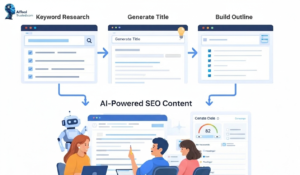
Scalenut positions itself as an end-to-end content lifecycle platform, combining AI-powered writing capabilities with comprehensive SEO research tools. Unlike basic content generators that simply churn out text, this SEO tool integrates keyword research, competitor analysis, and content optimisation into a unified dashboard. For agencies juggling 10, 20, or 50+ client websites, this consolidation eliminates the need to switch between multiple platforms—a genuine productivity multiplier. What makes Scalenut particularly valuable is its SEO-first architecture. The platform doesn’t just help you write faster; it structures content around what actually ranks in Google’s search results. Its Cruise Mode feature generates complete article drafts with built-in SEO recommendations, whilst the Content Optimizer analyses top-performing competitors to identify gaps your content should fill.
🔗Try Free AI Tool Here
This approach addresses a fundamental agency pain point: scaling content production without sacrificing quality or search visibility. The promise is compelling—but does it deliver in practice?
The Framework: How Scalenut AI Tool Enhances SEO Efforts
Scalenut operates on a systematic framework that transforms traditional SEO workflows into streamlined, data-driven processes. Rather than juggling multiple disconnected tools, agencies gain access to an integrated ecosystem where keyword research, content creation, and optimisation exist within a unified workspace.
The platform’s approach centres on what it calls the “SEO Hub” methodology. This framework begins with comprehensive keyword clustering, where Scalenut automatically groups related search terms into topic clusters. What typically requires hours of manual spreadsheet work happens in minutes, allowing strategists to identify content gaps and opportunities across entire client domains simultaneously.
Content creation follows a structured briefing system. The AI analyses top-ranking competitors for target keywords, extracting patterns in heading structures, semantic keywords, and content depth. According to Scalenut’s platform documentation, this competitive intelligence shapes content briefs that guide writers towards search-intent alignment—a crucial factor Google’s algorithms prioritise.
The optimisation layer provides real-time feedback through content scoring. As writers develop articles, Scalenut evaluates readability, keyword placement, and semantic relevance against ranking benchmarks. This immediate feedback loop replaces the traditional edit-publish-wait-analyse cycle with continuous improvement.
For agencies managing diverse client portfolios, this framework creates operational consistency. Each project follows the same proven methodology, reducing training overhead whilst maintaining quality standards across different industries and content types. The result is predictable output that scales with agency growth.
Best AI Tool for Bloggers to Create End-to-End SEO Content
Key Components of Scalenut SEO Tool:
Understanding the architecture of Scalenut reveals why this AI SEO tool consistently delivers results for agencies managing diverse client portfolios. The platform comprises four interconnected components that work synergistically rather than as isolated features.
Cruise Mode for Comprehensive Content Creation
At the core sits Cruise Mode, an intelligent content generation system that produces complete, SEO-optimised articles from a single keyword input. Rather than offering generic templates, it analyses top-ranking competitors and structures content around proven ranking patterns. This component handles research, outlining, and first-draft creation—essentially automating the groundwork that typically consumes 60-70% of content development time.
SEO Hub for Competitive Intelligence
The SEO Hub functions as a dedicated research assistant, providing real-time analysis of what’s working in your target niche. According to Scalenut’s platform overview, it delivers keyword clustering, SERP analysis, and content gap identification—transforming scattered data into actionable insights.
AI Writing Assistant for Refinement
Beyond initial drafts, Scalenut includes an interactive writing assistant that suggests improvements whilst you edit. It monitors content grade scores, keyword density, and readability in real-time, functioning as a quality control layer that ensures consistency across all client deliverables.
Content Optimiser for Performance Tracking
The final component continuously evaluates published content against evolving search patterns, recommending updates to maintain rankings—a proactive approach rather than reactive troubleshooting.
Application of Scalenut SEO Tool Tool in Digital Marketing:
Digital marketing agencies face a perpetual challenge: demonstrating tangible value across diverse client portfolios whilst managing limited resources. Scalenut functions as an SEO optimizer AI that addresses this challenge through practical applications spanning the entire content lifecycle.
Campaign Planning and Strategy Development
Before content creation begins, agencies use Scalenut to conduct comprehensive market analysis. The platform identifies content gaps within competitive landscapes, revealing opportunities that manual research often misses. For instance, a common pattern is that the Topic Cluster feature uncovers semantically related keywords that competitors haven’t targeted, creating immediate ranking opportunities for clients in saturated markets.
Content Production at Scale
The most significant application emerges in production workflows. According to Scalenut’s platform capabilities, agencies can generate SEO-optimised content across multiple client accounts simultaneously whilst maintaining brand-specific voice and style guidelines. What typically happens is that content teams use the AI Writer to create first drafts, then apply agency expertise to refine messaging and inject client-specific insights.
Performance Monitoring and Optimisation
Beyond creation, Scalenut provides continuous content performance tracking. The real-time SERP monitoring alerts agencies when client pages lose rankings, enabling proactive optimisation before traffic significantly declines. This transforms reactive firefighting into strategic content maintenance.
How Scalenut AI Tool Compares with Other SEO Tools:
The competitive landscape of SEO tools reveals distinct approaches to content optimisation and ranking improvement. Whilst platforms like SEMrush, Ahrefs excel at backlink analysis, keyword research, and Scalenut positions itself as a content-first platform that integrates SEO intelligence directly into the writing workflow. What sets Scalenut apart is its content optimizer functionality that operates within the creation process rather than as a separate auditing step. Traditional tools provide recommendations that writers must manually implement; Scalenut’s real-time NLP analysis adjusts content suggestions as you type. One practical approach is using the platform’s Cruise Mode, which structures entire articles based on SERP analysis—a feature notably absent in conventional keyword research tools.
However, agencies requiring extensive technical SEO audits or comprehensive backlink monitoring may find Scalenut’s capabilities limited compared to established enterprise platforms. The tool deliberately focuses on content velocity and quality rather than site-wide technical diagnostics. For agencies managing content-heavy campaigns across multiple clients, this specialisation often proves more valuable than broader feature sets.
According to detailed platform comparisons, Scalenut’s pricing structure also differs markedly—individual creator plans start at lower price points than enterprise SEO suites, making it accessible for boutique agencies testing AI-driven workflows. The question becomes: does your agency need comprehensive SEO infrastructure, or focused content intelligence that drives rankings?
Comparison: Scalenut vs Other SEO Tools
Understanding how Scalenut positions itself against established competitors helps agencies make informed tooling decisions. The platform adopts a unified workflow approach that distinguishes it from specialist tools requiring multiple subscriptions.
Traditional SEO tools typically excel in specific domains. Google’s keyword planner remains the gold standard for search volume data and PPC planning, whilst platforms like Ahrefs dominate backlink analysis. Scalenut, by contrast, integrates content intelligence with ranking optimisation in a single environment—a particularly valuable proposition for agencies managing diverse client portfolios with limited software budgets.
The pricing structure reveals strategic positioning. At $39–$79 monthly for core plans, Scalenut undercuts enterprise platforms that command $99–$399+ per seat. However, this accessibility comes with trade-offs. Agencies requiring comprehensive technical SEO audits or extensive historical data may find Scalenut’s scope narrower than SEMrush or Moz Pro.
What sets Scalenut apart is its AI-first content methodology. Rather than merely suggesting keywords, the platform generates complete content briefs incorporating NLP-based topic modelling. Competitors often treat content creation as separate from technical SEO—Scalenut bridges this gap with integrated workflows that guide writers from research through publication.
For agencies prioritising content velocity whilst maintaining SEO rigour, this consolidation addresses a genuine pain point. The question becomes whether Scalenut’s all-in-one approach can truly compete with best-of-breed specialists—a consideration worth examining further.
Limitations and Considerations:
Whilst Scalenut provides comprehensive SEO capabilities through its unified SEO hub, agencies should evaluate several practical considerations before implementation. The platform’s AI-driven approach, though powerful, cannot replace strategic human oversight in content direction and brand voice consistency.
According to user evaluations, the learning curve for maximising Scalenut’s full feature set typically requires 2-3 weeks of dedicated exploration. Agencies managing multiple client accounts may find this onboarding period impacts initial productivity, particularly when team members need to master both the content creation and technical SEO functionalities simultaneously.
Budget constraints represent another practical consideration. The tool’s pricing structure, whilst competitive for agencies handling numerous clients, may not justify the investment for boutique operations managing fewer than five concurrent projects. However, the time savings in content production often offset subscription costs for medium-sized agencies.
Content quality oversight remains essential. AI-generated drafts require editorial refinement to ensure messaging aligns with client brand guidelines and industry nuances that algorithms may miss. The platform excels at structural SEO elements but cannot replicate the strategic thinking that separates good content from exceptional client-specific communication.
Technical integration with existing agency workflows sometimes requires adjustments, especially when teams already use established content management systems. Understanding these practical limitations helps agencies set realistic expectations whilst leveraging Scalenut’s strengths in improving client website rankings.
Common Misconceptions About AI SEO Tools:
Agencies evaluating AI-powered platforms like Scalenut often encounter persistent myths that cloud decision-making. Understanding these misconceptions helps distinguish genuine capabilities from unrealistic expectations.
AI Tools Replace Strategic Thinking
A common fallacy suggests that AI SEO platforms automate strategy entirely. In practice, tools like Scalenut provide data-driven recommendations, content frameworks, but human expertise remains essential for interpreting insights, and aligning outputs with brand voice. The platform excels at generating topic clusters and semantic keyword relationships, yet agencies must still determine which topics serve client objectives and how content integrates into broader marketing campaigns.
One-Size-Fits-All Content Solutions
Another misconception assumes AI-generated content requires minimal customisation. Whilst Scalenut’s AI drafts accelerate production, effective implementation demands editorial refinement. Generic outputs lack the industry-specific nuance and client differentiation that drive conversions. Successful agencies use AI as a foundation, layering expertise, case studies, and unique perspectives that reflect client positioning.
Instant Rankings Guaranteed
Perhaps the most damaging myth is expecting immediate search visibility. SEO remains inherently gradual—algorithms require time to index content, assess authority, and evaluate user engagement signals. Tools provide optimisation frameworks, but ranking improvements depend on consistent implementation, technical health, and competitive landscape factors beyond any platform’s control. Realistic expectations prevent disappointment whilst allowing agencies to demonstrate measurable progress over appropriate timeframes.
Frequently Asked Questions (FAQs) About Scalenut AI Tool
Q1: What makes Scalenut different from traditional SEO tools?
👉Scalenut integrates content creation with technical SEO analysis in a single platform, eliminating the need to switch between multiple tools. Unlike conventional SEO software that focuses solely on metrics, Scalenut combines AI-driven writing with SERP analysis, keyword research, and competitive intelligence. This unified approach allows agencies to move from keyword discovery to published, optimised content without exporting data across different systems.
Q2: How accurate is Scalenut’s competitive analysis?
👉The platform’s SERP analysis examines top-ranking pages to identify patterns in content structure, word count, keyword usage, and readability scores. According to practical implementations, the tool provides actionable insights based on what currently ranks rather than theoretical best practices. However, agencies should supplement this data with their own expertise and client-specific knowledge.
Q3: Does Scalenut require technical SEO knowledge to use effectively?
👉Whilst Scalenut simplifies many technical aspects, optimal results still require SEO fundamentals. The platform guides users through recommendations, but understanding search intent, content strategy, and competitive positioning remains essential. Teams benefit most when combining Scalenut’s automation with strategic expertise rather than relying purely on AI-generated suggestions. The tool serves experienced practitioners more effectively than complete beginners.
With these practical considerations addressed, let’s consolidate the most important insights about implementing Scalenut in your agency workflow.
Key Takeaways:
Selecting the right SEO tool fundamentally transforms how digital marketing agencies deliver measurable results for clients. Scalenut AI represents a comprehensive solution that bridges the gap between content creation and technical optimisation, enabling agencies to streamline workflows whilst maintaining the strategic oversight clients expect.
The platform’s strength lies in its unified approach—combining keyword research, content intelligence, and rank tracking within a single ecosystem. This integration eliminates the inefficiencies of juggling multiple subscriptions and conflicting data sources. For agencies managing diverse client portfolios, the ability to scale personalised strategies without proportionally increasing team size creates genuine competitive advantage.
However, the technology enhances rather than replaces human expertise. Successful implementation requires agencies to establish clear quality assurance processes, particularly around AI-generated content that needs brand alignment and authentic voice. The most effective workflows treat Scalenut as a strategic accelerator rather than a complete autopilot solution.
As search algorithms continue prioritising genuine expertise and user value, agencies must balance efficiency gains with authenticity. The tools that win long-term are those that empower teams to work smarter whilst preserving the creative judgement and strategic thinking that clients truly value. Your next step: evaluate how Scalenut’s specific capabilities align with your agency’s service model and growth objectives.